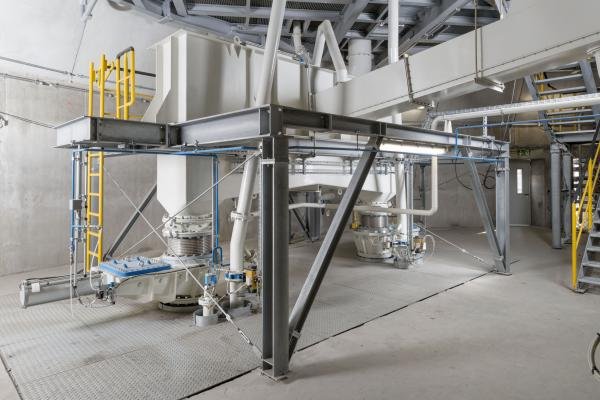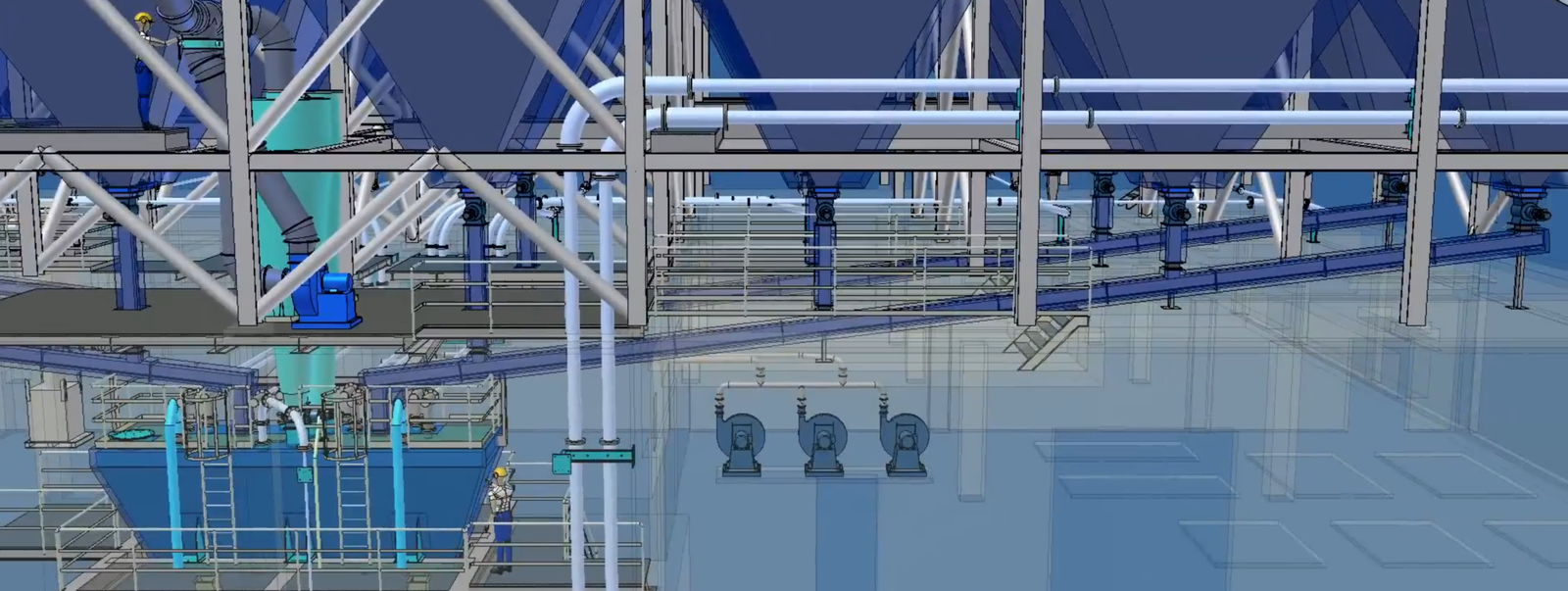
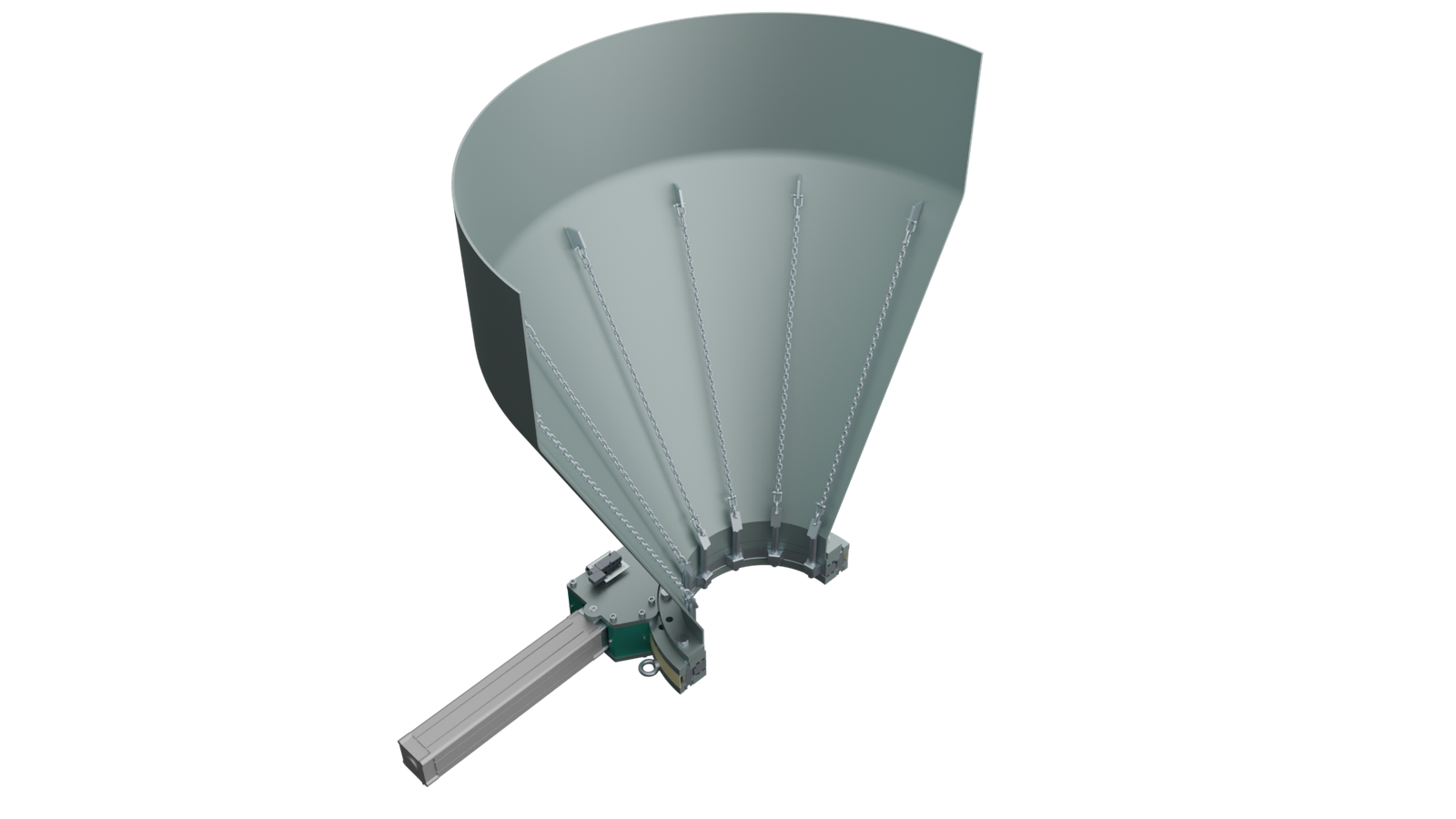
Reliable silo discharge is the foundation of any bulk material handling system — if material does not discharge consistently and controllably from storage, everything downstream is unreliable. Silo discharging engineering covers the complete discharge system — from silo geometry and cone angle through discharge aids, outlet valves, and feed into the conveying or dosing system below.
Common silo discharge problems — bridging, ratholing, erratic flow, and flooding — are almost always the result of insufficient attention to material flow properties during silo design. SaveEco characterises materials in the Pune R&D lab — measuring flow function, wall friction, bulk density, and permeability — before designing silo geometry and selecting discharge aids. A silo that discharges reliably by gravity with no aids is always the preferred design. Where aids are needed, they are sized and positioned from flow test data.
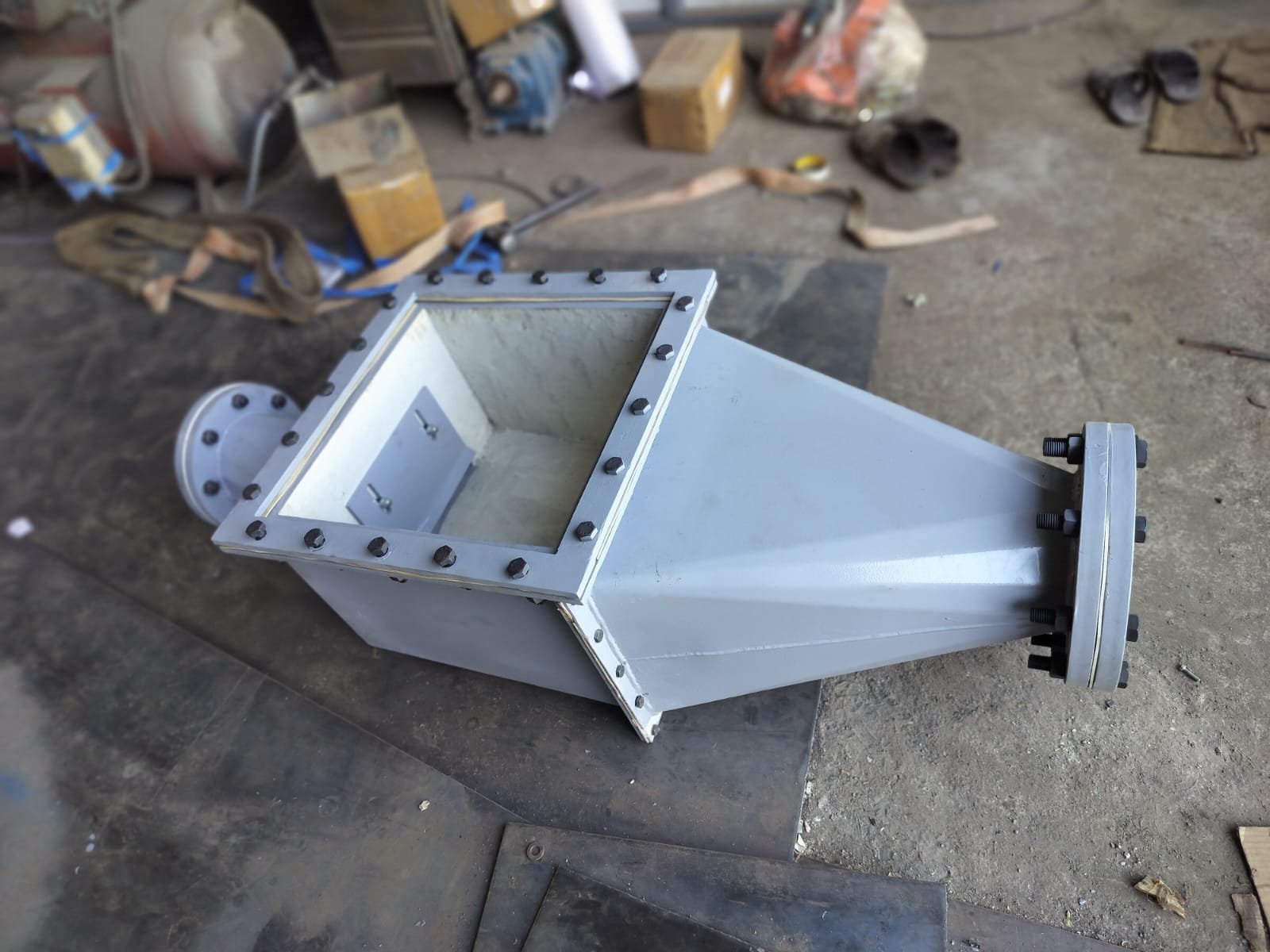
The complete SaveEco silo discharge scope includes silo geometry design, aeration systems, air injection, outlet valve selection, and feed arrangement into the downstream system — all under one accountable EPC scope.
Key Applications: Fly ash silos · Cement silos · Raw meal storage · Lime storage · Chemical powder storage · Any bulk powder requiring reliable controlled discharge
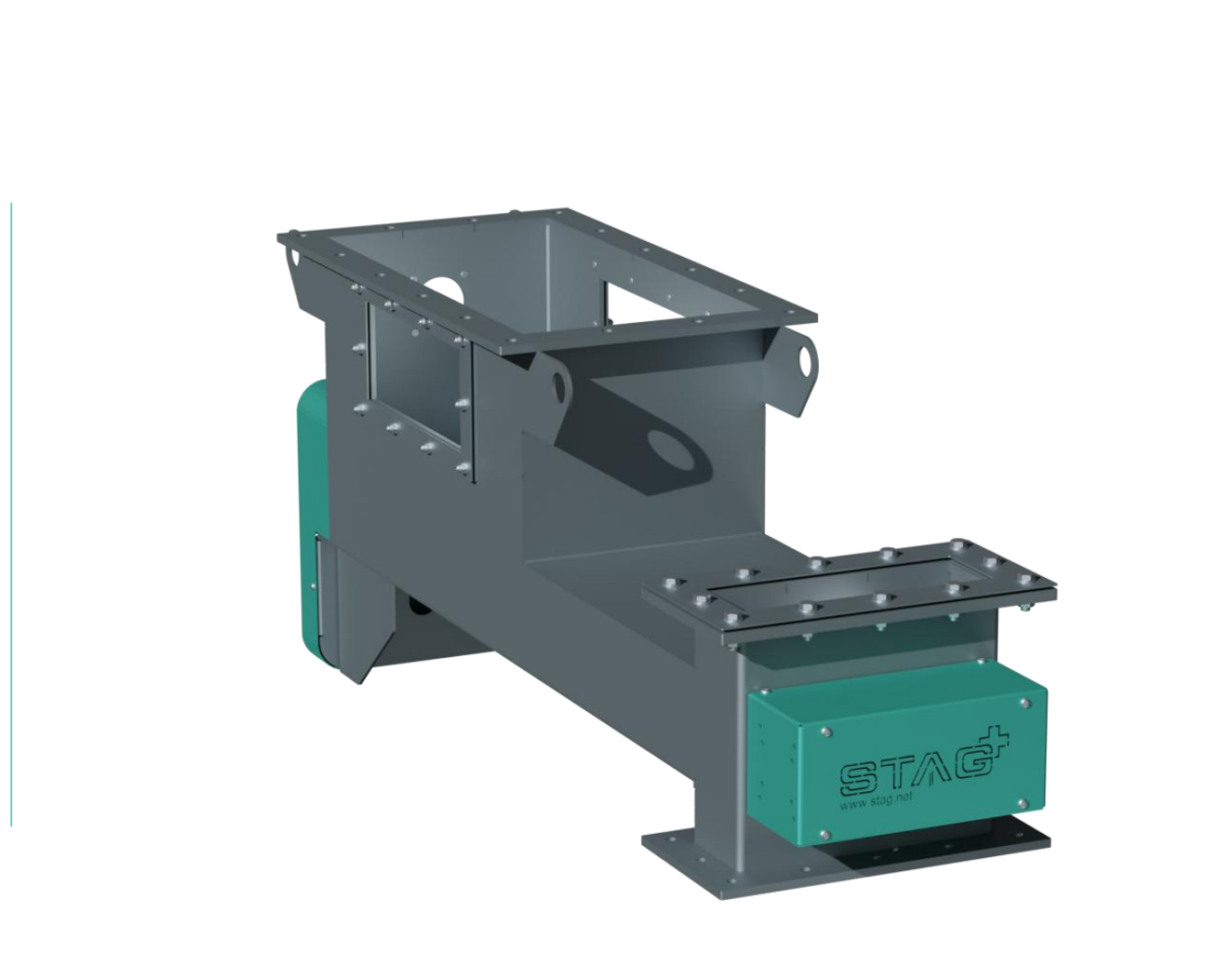
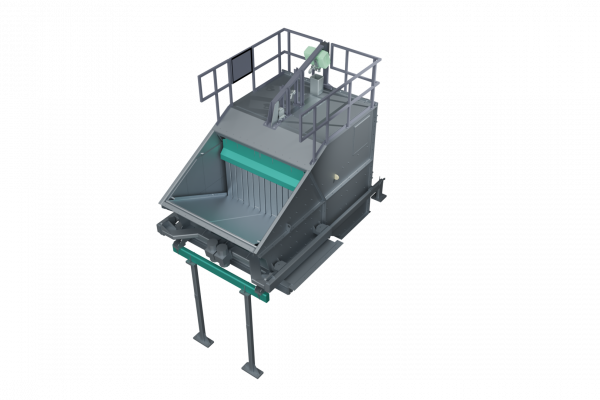
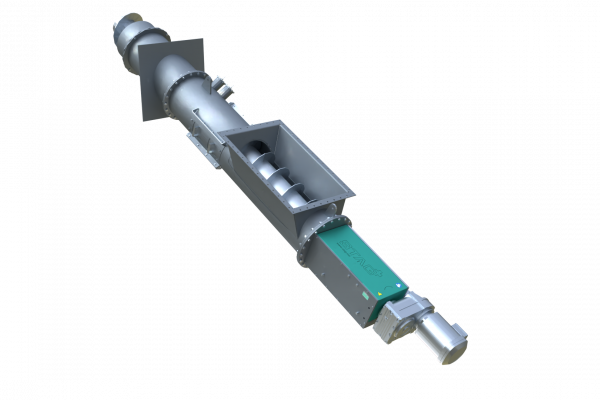
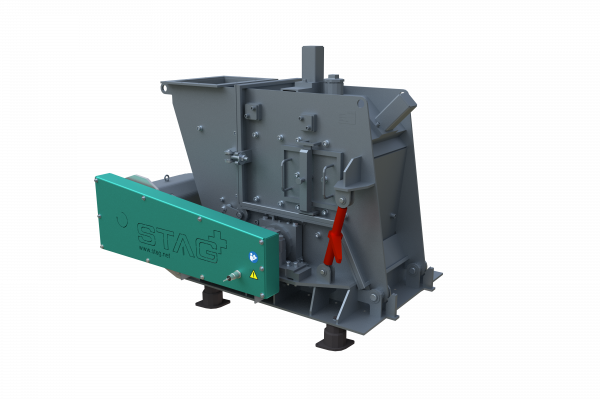
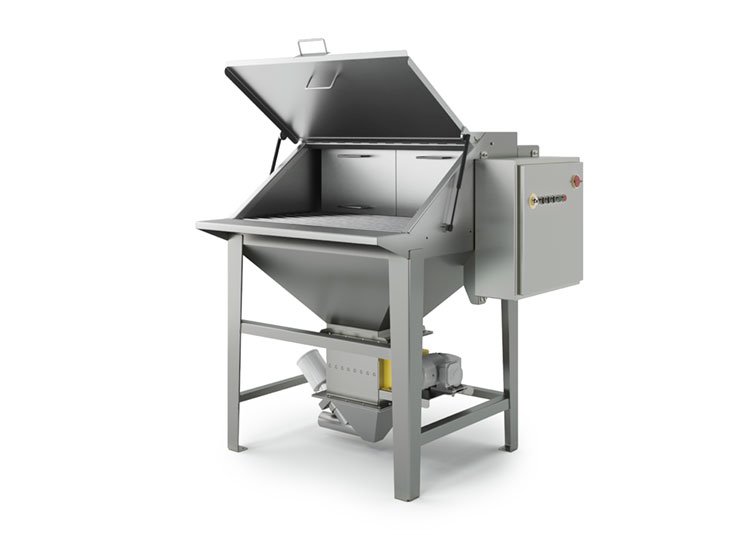
Discharge Aids: Aeration pads · Air injection · Vibrators · Mechanical activators · Outlet valve and feeder selection