
- Industrial EPC Services · Consulting & Engineering
Consulting & Engineering
Plant assessment · Process engineering · System design · Feasibility studies
Consulting & Engineering Services
SaveEco’s engineering function is the foundation of every project. Before any equipment is specified or manufactured, our engineering team conducts a structured assessment of the client’s plant conditions, material properties, and process requirements. This ensures that every system recommendation is grounded in actual site data rather than standard catalogue assumptions.
Our bulk material handling engineering and pneumatic conveying engineering capability covers the complete range of industrial conveying challenges — from fine, abrasive powders such as cement, fly ash, gypsum, lime, coal, and alumina through to mineral concentrates and specialty chemical powders. Material behaviour determines system type, operating pressure, conveying velocity, pipe diameter, and equipment selection. Getting this right at the engineering stage prevents operational failures downstream.

Plant Audit and Bulk Material Assessment
The starting point for any SaveEco engagement is a structured plant audit. Our engineers assess the existing material handling infrastructure, identify system bottlenecks and reliability issues, and characterise the bulk material to be conveyed — particle size distribution, bulk density, moisture content, abrasiveness, temperature, and flowability. Material characterisation data directly governs conveying system design parameters.
For clients considering a new installation, the plant audit establishes the material flow diagram, conveying distances, elevation changes, and throughput requirements that form the basis of engineering design.
Pneumatic Conveying Engineering — Dense Phase and Lean Phase
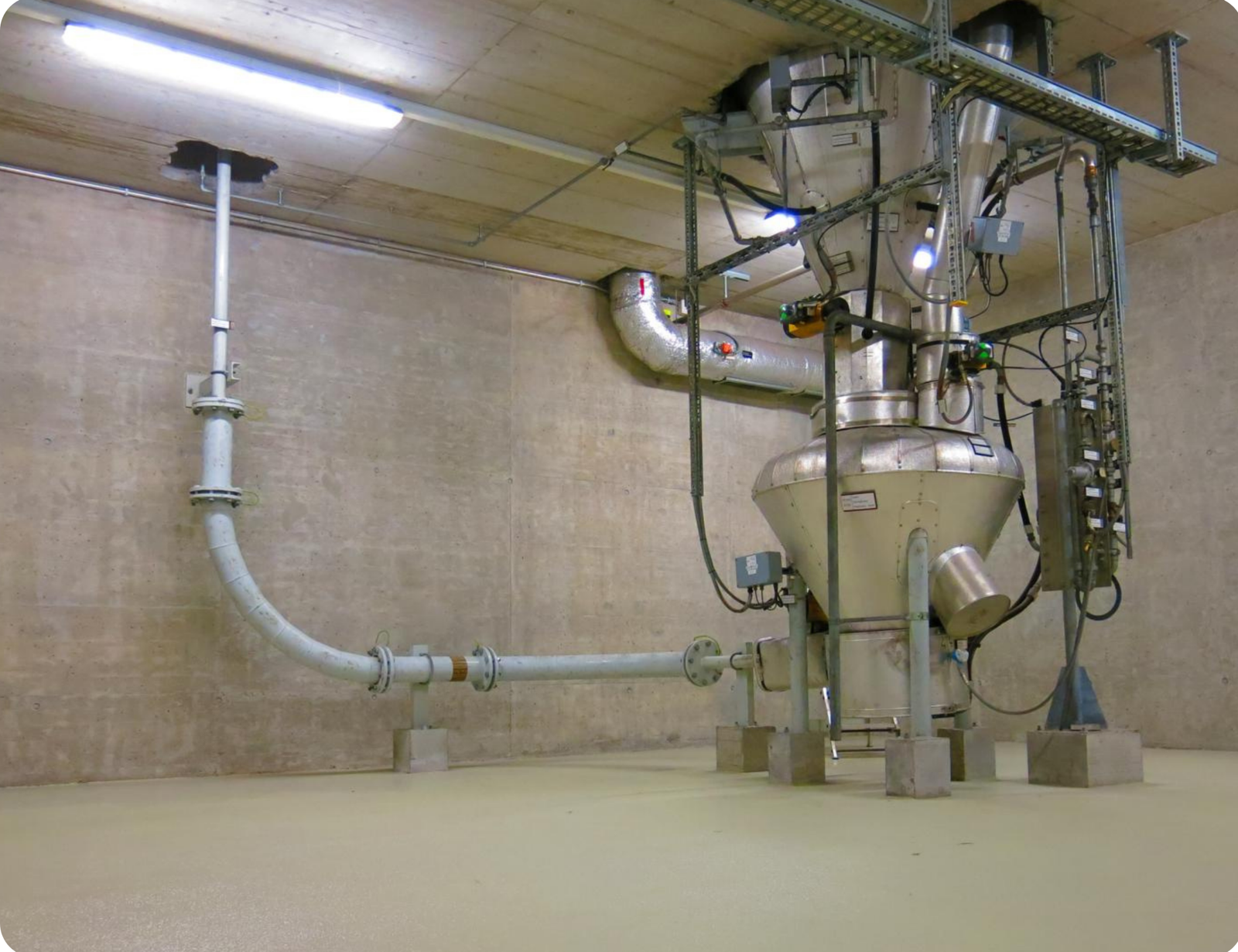
SaveEco’s core engineering discipline is pneumatic conveying system design — both dense phase conveying engineering and lean phase conveying engineering. System selection between these two modes depends on material characteristics: dense phase conveying is selected for abrasive, fragile, or high-tonnage materials requiring low conveying velocity; lean phase is applied to less abrasive materials at shorter conveying distances.
Engineering outputs include: conveying velocity selection, pipeline sizing, pressure drop calculation, vessel sizing, compressor or blower selection, and valve selection. All calculations follow established fluid-particle mechanics principles. For dense phase systems, the STAG AG pipe-in-pipe design — which reduces air consumption by 15–20% compared to conventional dense phase configurations — is evaluated as part of the engineering optimisation process.

Feasibility Studies and Process Engineering
Where clients are evaluating a new system or a major plant modification, SaveEco provides structured feasibility studies covering technical feasibility, system configuration options, and engineering risk factors. Process engineering input connects the conveying system to the upstream and downstream process requirements — ensuring that material feed rates, storage volumes, and dispatch rates are correctly balanced within the overall plant material flow.
For multi-modal conveying projects — covering road bulker, rail wagon, ship transfer, and tank container logistics — the feasibility study maps material flows across transport modes and identifies the most efficient combination of conveying technologies.
Thermal Audits and Waste Heat Recovery Engineering
For clients considering Waste Heat Recovery Systems, SaveEco’s thermal engineering team conducts a plant thermal audit — identifying recoverable heat sources in flue gases, process cooling streams, and steam condensate. Recoverable heat quantities are assessed against plant thermal demand (process heating, preheating, auxiliary steam generation) to determine the economic basis for a waste heat recovery installation.
Engineering outputs include: heat and mass balance, waste heat boiler specification, heat exchanger selection, and integration with the plant’s existing steam or thermal system. Thermal audit outputs provide the engineering basis for capital cost estimation and project investment analysis.

System Design and Engineering Documentation
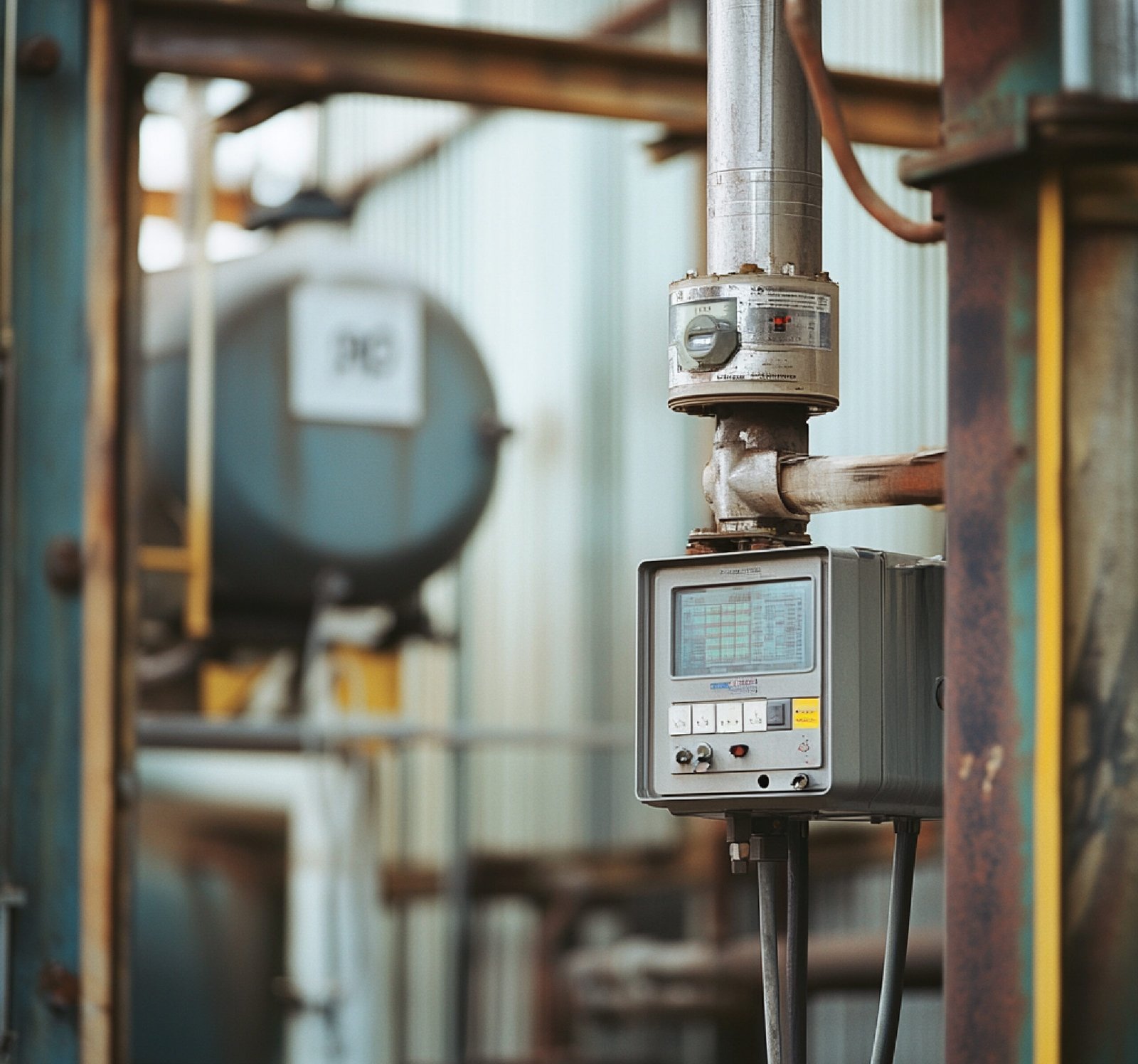
Complete engineering documentation is produced for every project: Process Flow Diagrams (PFDs), Piping and Instrumentation Diagrams (P&IDs), equipment datasheets, layout drawings, and structural load data. This documentation package supports client engineering review, statutory approvals, and construction execution — and forms the basis for the manufacturing, installation, and commissioning phases of the project.
- Engineering Services at a Glance
Complete engineering scope — assessment through documentation.
- Plant audit and bulk material characterisation
- Dense phase and lean phase pneumatic conveying engineering
- Dense Phase Conveying system sizing — vessel, pipeline, pressure drop, compressor
- Lean Phase Conveying system design — blower selection, pipeline routing
- Feasibility studies for new installations and plant modifications
- Multi-modal conveying system design — road, rail, ship, tank container
- Thermal audit and waste heat recovery engineering
- Process Flow Diagrams, P&IDs, equipment datasheets, layout drawings
- Structural and civil load data for foundation engineering
- Start Your Industrial Consultation
Start with an Engineering Consultation
Tell us your plant challenge — material type, conveying distance, throughput requirement. Our engineers will respond with a technical assessment, not a product brochure.