
- Industrial EPC Services · Maintenance & After-Sales
Maintenance & After-Sales
Preventive maintenance · Inspection · System optimisation · Spare parts · Upgrades
Industrial maintenance and after-sales support is a structured engineering service — not a helpdesk function. For pneumatic conveying systems and bulk material handling installations, long-term system reliability depends on systematic preventive maintenance, periodic inspection of wear-prone components, and timely corrective action when system performance deviates from the commissioning baseline.
SaveEco’s industrial maintenance and after-sales service in India covers the full lifecycle of installed systems — from the first planned maintenance visit after commissioning through to system upgrades and capacity expansions as plant requirements evolve. Our service engineering team has direct access to the original engineering documentation for every installed system, enabling targeted maintenance planning and accurate spare parts identification.
Preventive Maintenance — Scheduled System Inspection
Preventive maintenance programmes for pneumatic conveying systems are structured around the wear and fatigue characteristics of the key system components: conveying pipelines and bends (wear from abrasive material), pressure vessels and seals (pressure cycling fatigue), metal-to-metal seated valves (seat wear and actuator function), compressor and blower systems (mechanical wear and filter condition), and control and instrumentation systems (calibration drift and sensor reliability).
For dense phase conveying systems handling abrasive materials — cement, fly ash, coal, gypsum, alumina — pipeline bend wear is the primary wear mechanism. Scheduled inspection of wear points, with thickness measurement records over time, enables planned replacement before failure. This is more cost-effective than reactive replacement after a conveying line failure during production.
System Performance Review and Operational Optimisation
Over time, changes in plant operation — material characteristics, throughput requirements, or process modifications — can cause pneumatic conveying system performance to drift from the original commissioning baseline. SaveEco’s operational optimisation service reviews current system performance data against the original design basis and identifies opportunities to restore or improve conveying efficiency. Adjustments may include conveying cycle timing, compressed air supply pressure, valve sequencing, or pipeline modifications.
For waste heat recovery systems, operational review covers recovered heat utilisation against design, heat exchanger fouling assessment, and steam system integration performance — identifying any deterioration in heat recovery effectiveness that requires corrective action.

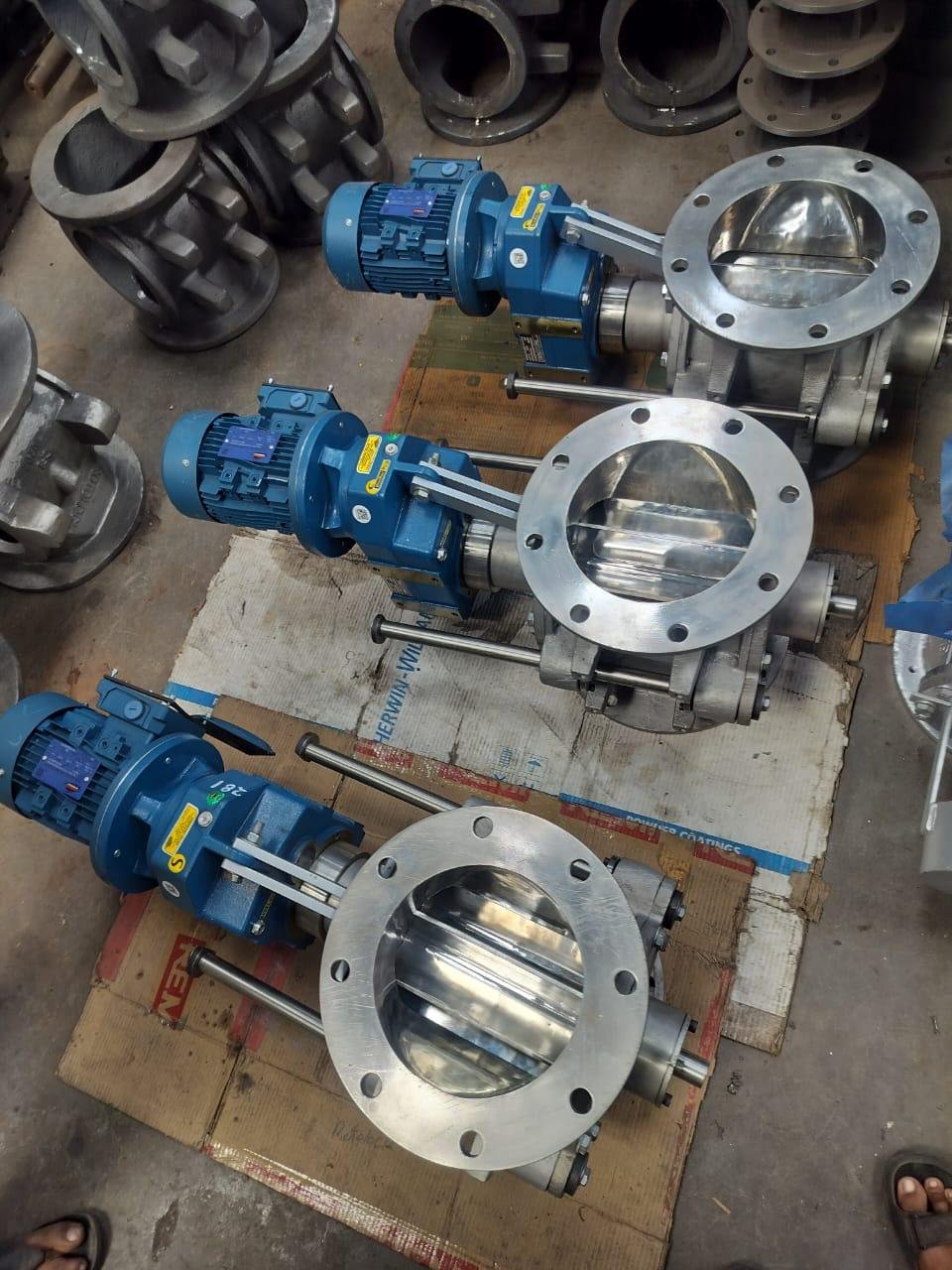
Spare Parts Supply and Obsolescence Management
SaveEco maintains access to OEM spare parts for all installed system components — including STAG AG dense phase vessels, valves, and pneumatic components. Spare parts identification is based on the original equipment datasheets and as-built documentation from each project. For critical wearing components — conveying pipe bends, valve seats, vessel inlet valves — we recommend clients maintain a minimum strategic spare holding to prevent extended downtime following component failure.
For older installations where original component designs have been superseded, SaveEco provides obsolescence management — identifying equivalent replacement components that meet the original functional and dimensional specification, and validating the replacement through engineering review before recommending installation.
System Upgrades and Capacity Expansions
As plant throughput requirements increase over time, existing pneumatic conveying systems may need to be upgraded to handle higher conveying rates, extended conveying distances, or additional material types. SaveEco’s upgrade engineering service assesses the existing installation against the new requirements, identifies the system components that are limiting performance, and designs the minimum modification required to achieve the upgraded specification. Upgrades are executed with minimal disruption to ongoing plant operation where possible.
- Manufacturing & Logistics Services at a Glance
Complete engineering scope — assessment through documentation.
- Scheduled preventive maintenance — pipeline wear, valve, compressor, instrumentation
- Wear point inspection with thickness measurement and replacement planning
- System performance review against commissioning baseline
- Operational optimisation — conveying velocity, cycle timing, air pressure
- Waste heat recovery system fouling assessment and thermal performance review
- OEM spare parts supply — STAG AG components and India-fabricated wearing parts
- Obsolescence management for superseded component designs
- System capacity upgrade engineering — throughput, distance, material type
- Emergency breakdown support and site technical assistance
- Start Your Industrial Consultation
Start with an Engineering Consultation
Tell us your plant challenge — material type, conveying distance, throughput requirement. Our engineers will respond with a technical assessment, not a product brochure.