
- Home /
- Industries /
- Steel & Metallurgical Processing
- Industries · Steel & Metallurgical Processing
Steel & Metallurgical Processing
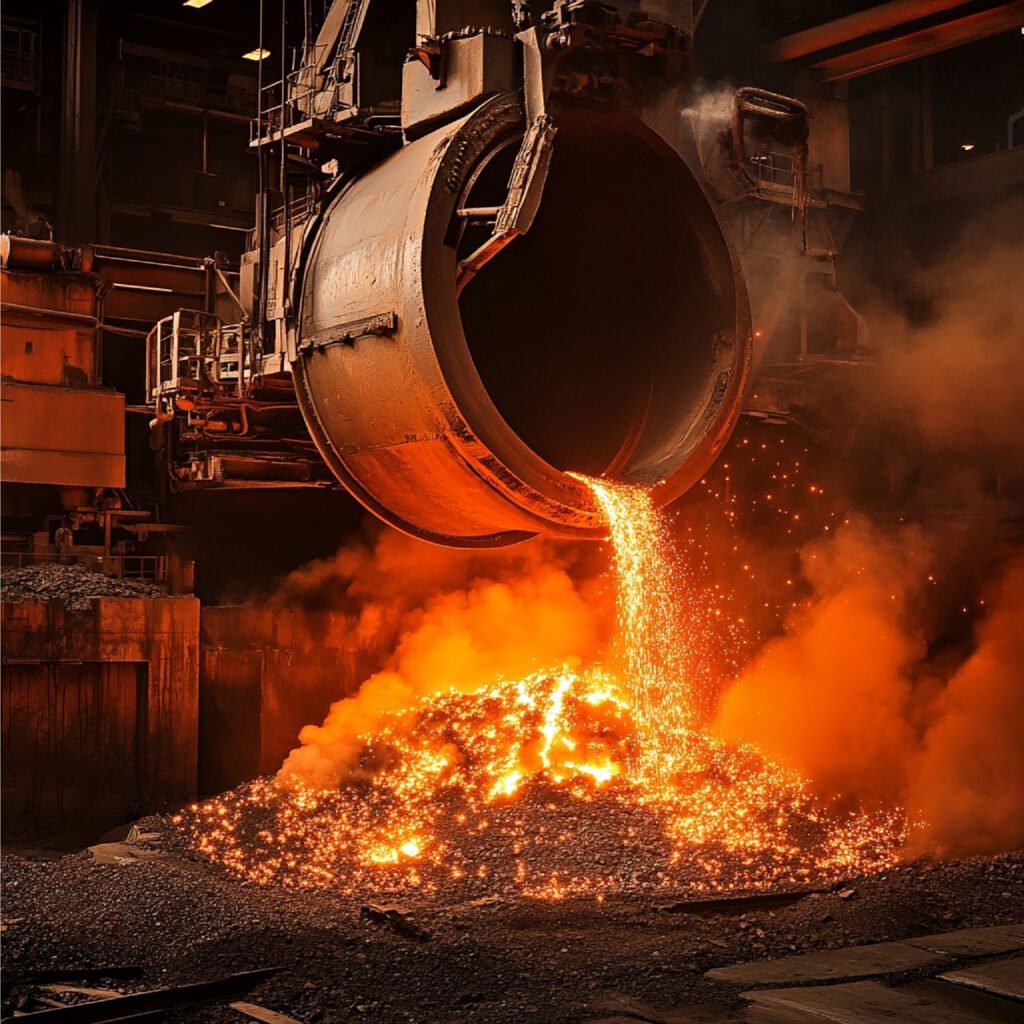
Integrated steel plants are among the most material-handling-intensive industrial facilities. From raw material receipt at the plant gate through ironmaking, steelmaking, rolling, and finishing, large volumes of bulk materials are continuously transported across extended plant footprints.
Key bulk materials in a steel plant include: iron ore and iron ore fines, coke, limestone and dolomite for blast furnace flux, BF slag, BOF slag, sinter, pellets, coal, zinc ash, and various process dusts collected from emission control systems. Secondary metallurgical processes also handle alumina, ferroalloys, and specialty additions.
SaveEco’s customers in this sector include Tata Steel BSL, Sunflag Steel, Jindal Steel & Power, Shyam Metalics, and Sarda Energy & Minerals — reflecting experience across both large integrated and mid-size steel operations.
- Operational Challenges
Four critical material handling challenges in steel plants.
Understanding these operational pain points drives SaveEco’s system design philosophy — every solution starts with a site audit, not a product catalogue.
01
Emission Control Dust Handling
02
Long-Distance Intra-Plant Material Transfer
03
Handling Abrasive and Variable Bulk Materials
04
By-Product Management and Dispatch
- Engineering Solution
SaveEco Engineering Solutions for SteelPlants
SaveEco’s system portfolio addresses the specific bulk material handling challenges of integrated and secondary steel operations — from emission control dust evacuation through long-distance intra-plant transfer to by-product dispatch.
01 Dense Phase Conveying — Emission Control Dust Systems
02 Twin Tandem Dense Phase Systems — Bulk Raw Material Transfer
03 Road Bulker and Rail Wagon Systems — Raw Material and By-Product
04 Centralised Vacuum Systems — Plant Housekeeping
- Typical Plant Applications
Eight proven application points across steel and metallurgical plants.
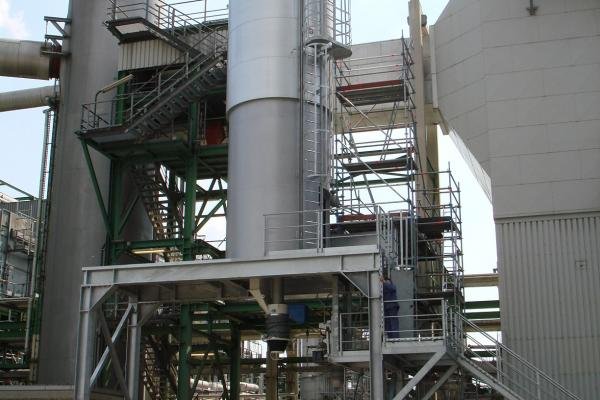
- BOF or EAF dedusting system — dust collection and conveying to disposal silo
- Blast furnace cast house dedusting — bag filter hopper evacuation
- Sinter plant dust collection from ESP to sinter feed recycle
- Limestone and dolomite transfer from wagon unloading to BF stockhouse silos
- By-product (slag powder, zinc ash) dispatch via road bulker
- Coke oven battery area vacuum housekeeping
- Secondary steel plant — ladle metallurgy flux addition systems
- Alloy powder injection dosing for secondary metallurgy
- Why SaveEco for Cement
Operational Benefits
Enclosed Dust Handling
Enclosed dust handling from emission control systems reduces environmental risk — containing fine metal-bearing process dusts within the system rather than the atmosphere.
Extended Pipeline Life
Dense phase low-velocity conveying extends pipeline life in abrasive material service — significantly reducing maintenance downtime and spare parts consumption.
Automated Hopper Evacuation
Automated hopper evacuation prevents bag filter hopper blinding and differential pressure build-up — maintaining emission control system performance without manual intervention.
Long-Distance Conveying
Long-distance conveying eliminates intermediate transfer equipment and maintenance points — simplifying plant layout and reducing the number of driven components to maintain.
By-Product Commercial Recovery
By-product dispatch systems support commercial recovery of slag and dust materials — turning waste streams into revenue from cement and zinc recovery industries.
Safe Plant Housekeeping
Plant vacuum systems improve housekeeping in high-dust production environments — recovering valuable iron-bearing fines rather than losing them to manual sweeping disposal.
- Start Your Industrial Consultation
Discuss Your Steel Plant Requirement
Contact SaveEco’s engineering team with your plant layout, material specifications, and throughput requirements. We respond with a technical proposal — not a product catalogue.